
Are you running to the loo, or waiting for a poo?
Here’s a thing that needs explaining: women are more likely to report abdominal pain and constipation-related symptoms than men.
Clearly women are not naturally wimpier than men (I refer you to period pain and childbirth: enough said); and although they may, generally speaking, go more willingly to the doctor, that doesn’t account for why certain symptoms should be more reported once they are there.
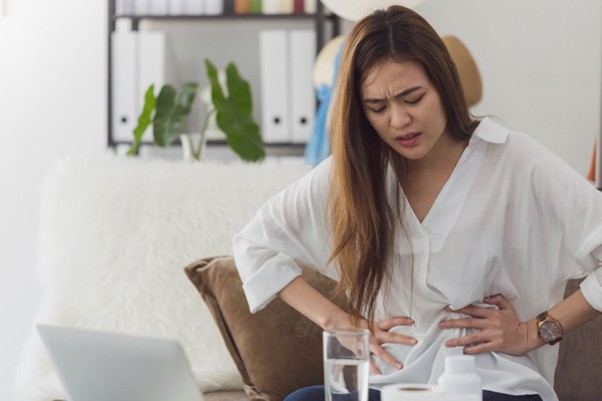
It does, overall, seem as though women are more likely to experience certain digestive symptoms than men. So, why has Nature handed out these differing experiences to the different sexes?
The clue may lie in the fact that both IBS-suffering and healthy women report increased IBS symptoms whilst they are having their period versus other times of the month. It seems likely that women’s hormones make them more vulnerable to bowel disorders and also more likely to experience pain throughout the digestive system.
Around the time of a woman’s period her IBS symptoms are likely to worsen, with several common patterns:
- A normal or slightly sluggish gut becomes constipated
- A normal or slightly loose bowel becomes looser and/or experiences bouts of diarrhoea
- Constipation before the period is followed by diarrhoea during it
Pretty much all the fun options…
Girly Guts: Slow
When your hormone levels fall in the week before your period, the sensors in your bowel become less sensitive to the stretching of the bowel wall that takes place as the stool moves along. In order to get the message that it’s time to push the poo out, you need to have a bulkier stool.
- Drink more water
- Eat more vegetables, and have them cooked and warm, which is better for constipation
Girly Slow Plus
If your bowel was normal or a little sluggish during your menstruating life, it may slow down as your oestrogen levels fall in perimenopause. Eating your veg and drinking plenty of water becomes very important, for this reason as well as many others.
Girly Guts: Fast
As you approach your period, progesterone levels plummet and this can make your gut more pain sensitive. Being more easily irritated it is likely to shoot wastes through faster. Result: rushing to the loo with an unformed, splattery stool.
- Avoid caffeine and fizzy drinks at this point, as they can irritate the gut further
- Highly refined foods such as processed meat products may be less tolerable so go veggie for a week
- Spicy foods may irritate more, so eat blander food
- Take silicol®gel in a glass of water an hour before meals for a few days leading up to your period and/or when you usually experience looseness
Girly Fast Plus
Both oestrogen and progesterone fall during the menopause, and this can cause more general digestive discomfort, with more episodes of wind and diarrhoea.
Healthy postmenopausal women report gas and excessive wind significantly more than premenopausal women.
So, sit down to eat; chew your food; relax and enjoy your meals. Most peri women are trying to be in three places at once, but that’s exactly the point. Stop it. Look after your digestion. Give it some time and feel the benefits in the bathroom.
- silicol®gel can also be helpful calming things down at this stage in your life
Here’s a happier thought for menopausal women with digestive issues, though. They are less likely to experience nausea than they were during their menstruating years.
Premenopausal women with IBS are more likely to experience nausea than postmenopausal women with IBS. Nausea and vomiting are associated with high levels of oestrogen and/or progesterone, and as these abate during the menopause, symptom severity falls too.
Something to look forward to!