
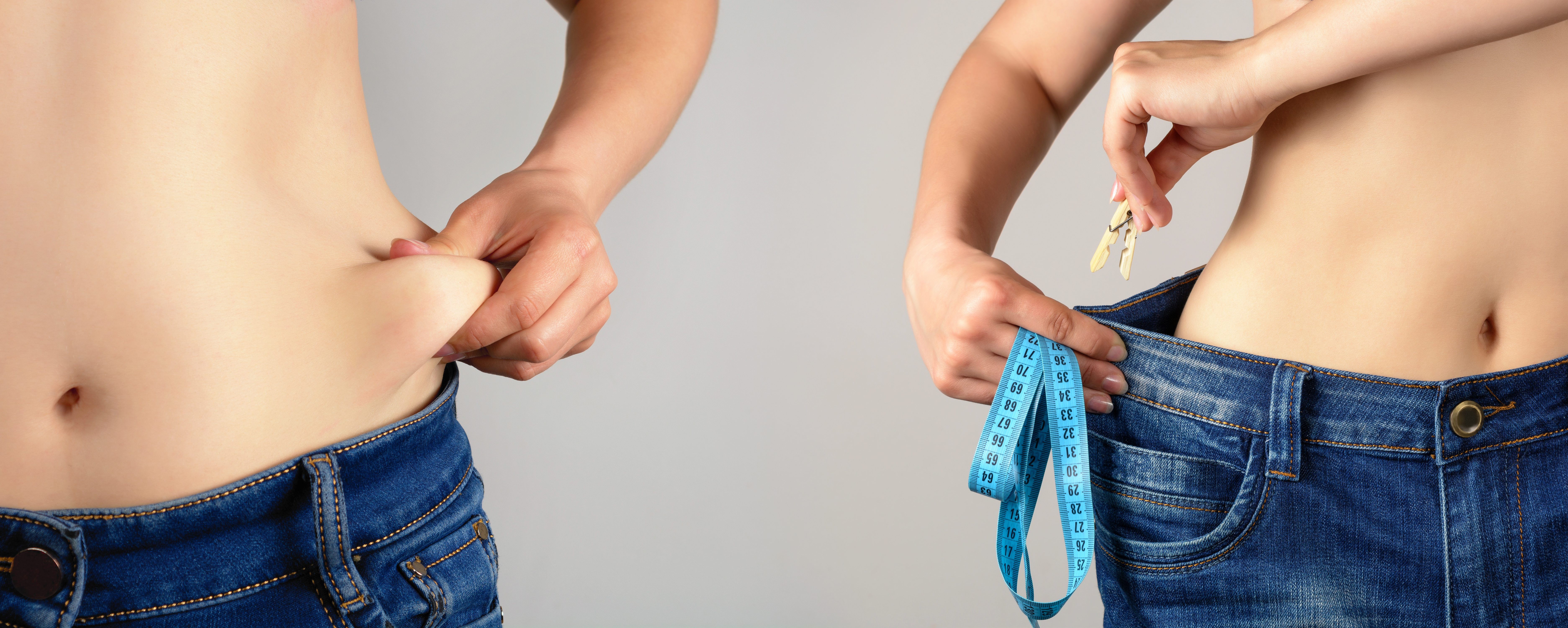
With more people using GLP-1 medications such as Ozempic and Mounjaro, it’s become increasingly common to wonder how these treatments fit alongside other parts of a daily routine, including digestive health products like silicol®gel.
Quick answer: silicol®gel works locally in the gut and is not absorbed into the bloodstream, so it does not interact with how GLP-1 injections work in the body. That said, GLP-1 medications are prescription treatments, so it’s always worth checking with your GP or pharmacist about your specific situation before combining any new medical products with your treatment.
What are GLP-1 medications?
GLP-1’s are a class of injectable medications, including branded treatments like Ozempic and Mounjaro, originally developed to help manage type 2 diabetes and now also widely prescribed for weight loss. They work by mimicking a hormone the body produces naturally, which affects appetite, blood sugar regulation and the speed at which the stomach empties.
That slower stomach emptying is relevant to this article, because it’s one of the main reasons some people notice changes in how their digestion feels while using these medications.
Why some people experience digestive changes on GLP-1s
Because GLP-1 medications affect how quickly food moves through the stomach, some people notice digestive changes while using them. These include
- Nausea
- Bloating
- A sense of fullness, even after smaller meals
- General stomach discomfort
Not everyone experiences these effects, and they often ease overtime as the body adjusts to treatment. But for those who do notice them, it’s understandable to start paying closer attention to digestive comfort as part of a daily routine. Whether that means reviewing diet and eating habits, or considering digestive health products designed to support gut comfort.
When looking at any new products in this context, a natural question follows: could adding something new affect how the injection itself works?
What is silicol®gel and how does it work?
silicol®gel is a liquid gel specially formulated for the treatment of the IBS symptoms diarrhoea, abdominal pain, bloating and flatulence. And also reflux, nausea and heartburn. Taken 3 times a day it helps manage symptoms and provide relief.
Unlike other treatments that are absorbed into the bloodstream to act throughout the body, silicol®gel works locally within the gut itself. It forms a protective and soothing layer over the lining of the stomach and intestines. Acting like a magnet attracting irritants, toxins and pathogens and binding them to the gel. During this process the silicol®gel particles also adsorb excess acidity and gases. Then when the stomach empties naturally, the bound molecules are passed through the body.
Can silicol®gel be taken alongside GLP-1 injections?
Because silicol®gel acts locally in the gut rather than being absorbed into the bloodstream, it does not interfere with how GLP-1 injections work in the body. The two work through entirealy different routes.
It’s worth being clear about what this means in practice: this reflects how the two products are understood to work based on their respective modes of action, rather than a claim based on a specific clinical interaction study between silicol®gel and GLP-1 medications. As with any prescription medications, individual circumstances can vary, so it’s sensible to check with your GP, pharmacist or prescriber before introducing any new medical products alongside your GLP-1 treatment. Particularly for those managing diabetes.
Usage guidelines
Take silicol®gel with a gap of at least 1 hour before or 2 hours after either meals or the intake of oral medicines. Otherwise, the effect of other oral medication could be impaired. Do not use silicol®gel in case of hypersensitivity to any of the ingredients. For children below the age of 12 and for pregnant, suspected pregnant or breastfeeding women, silicol®gel should only be taken after consulting a doctor. After symptoms ease, treatment with silicol®gel can continue for another few days. In chronic disorders, treat for up to 4 weeks. If acute symptoms worsen or have not reduced after three days, consult a doctor. With diarrhoea, it is necessary to replace lost fluids.
In summary
As GLP-1 medications become a routine part of more people’s healthcare, it’s natural to think carefully about how other products fit alongside then. silicol®gel works locally in the gut and isn’t absorbed into the bloodstream, so therefore does not interfere with how the GLP-1 injections work in the body. It is always worth checking with you GP or pharmacist before combining them with any new medical products so you can use both with confidence.
silicol®gel is not affiliated with or endorsed by GLP-1 injections. This article is for general information only and it not a substitute for personalised medical advice. Always speak to your GP or pharmacist about your specific treatment and health needs.